A more accessible playground draws on design, consultation, technical advice, cost planning and ongoing care. Landscape architects connect spaces, while other specialists and users inform decisions. Explore the tasks through a clearly labelled paper exercise, then check current training routes; a sketch cannot certify accessibility or safety.
The Design Starts Before The Slide
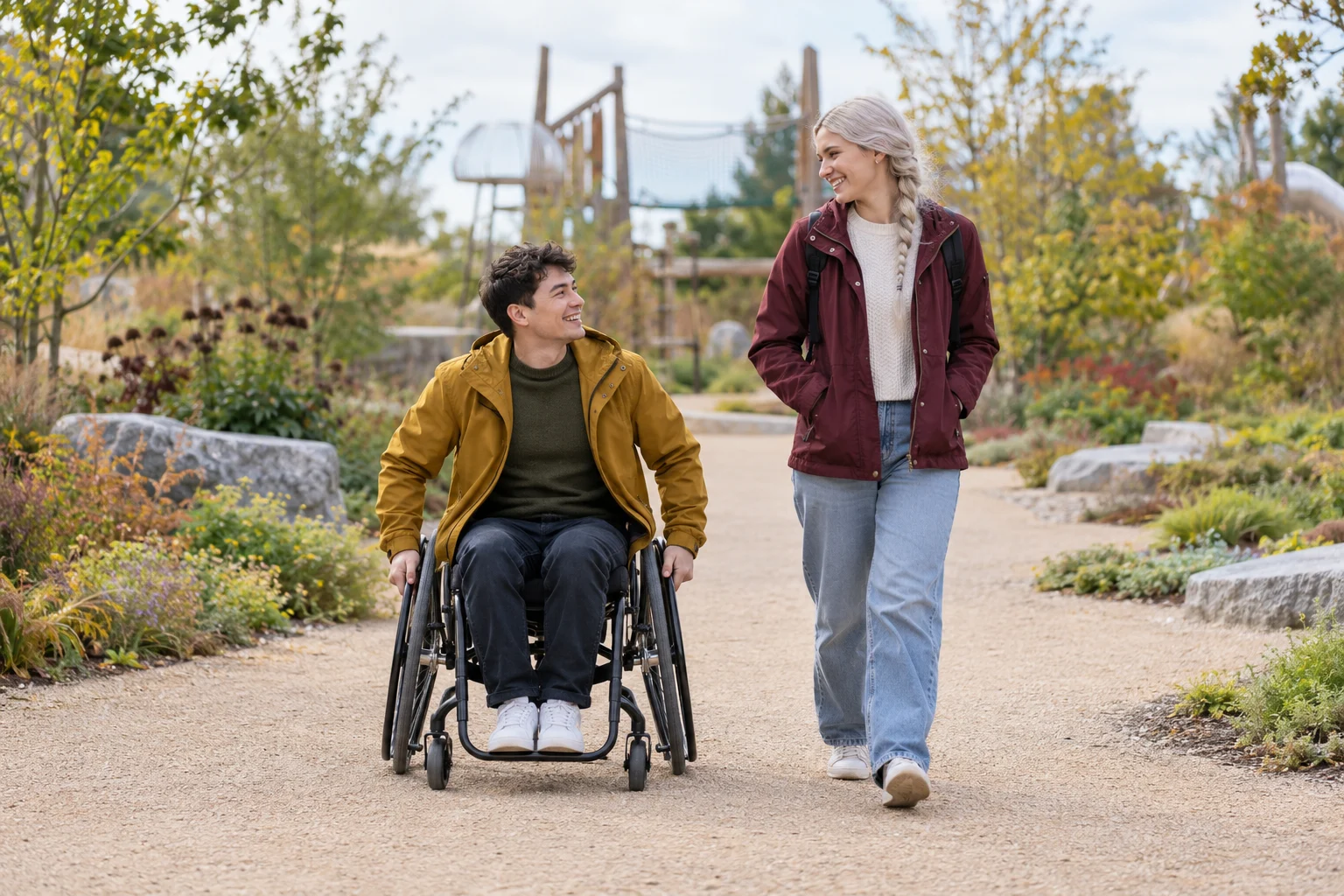
A playground can look complete in a photograph while leaving important questions unanswered. How does a child reach it? Can a caregiver stay nearby? Where could someone take a quieter break and still feel part of the visit? The people working on those questions may never appear in the picture of the finished equipment. For a student interested in design, engineering, nature or working with communities, that makes a playground a useful place to investigate careers. The visible object is only one part of a wider system. A route, consultation plan, cost estimate and maintenance decision can influence what people can actually do there. This feature follows that work through an illustrative design problem and checked professional sources. It does not certify a playground, prescribe technical dimensions or claim that one layout can meet every person’s needs. Its purpose is to make several kinds of work easier to see and compare.
An Interest Becomes A Better Question
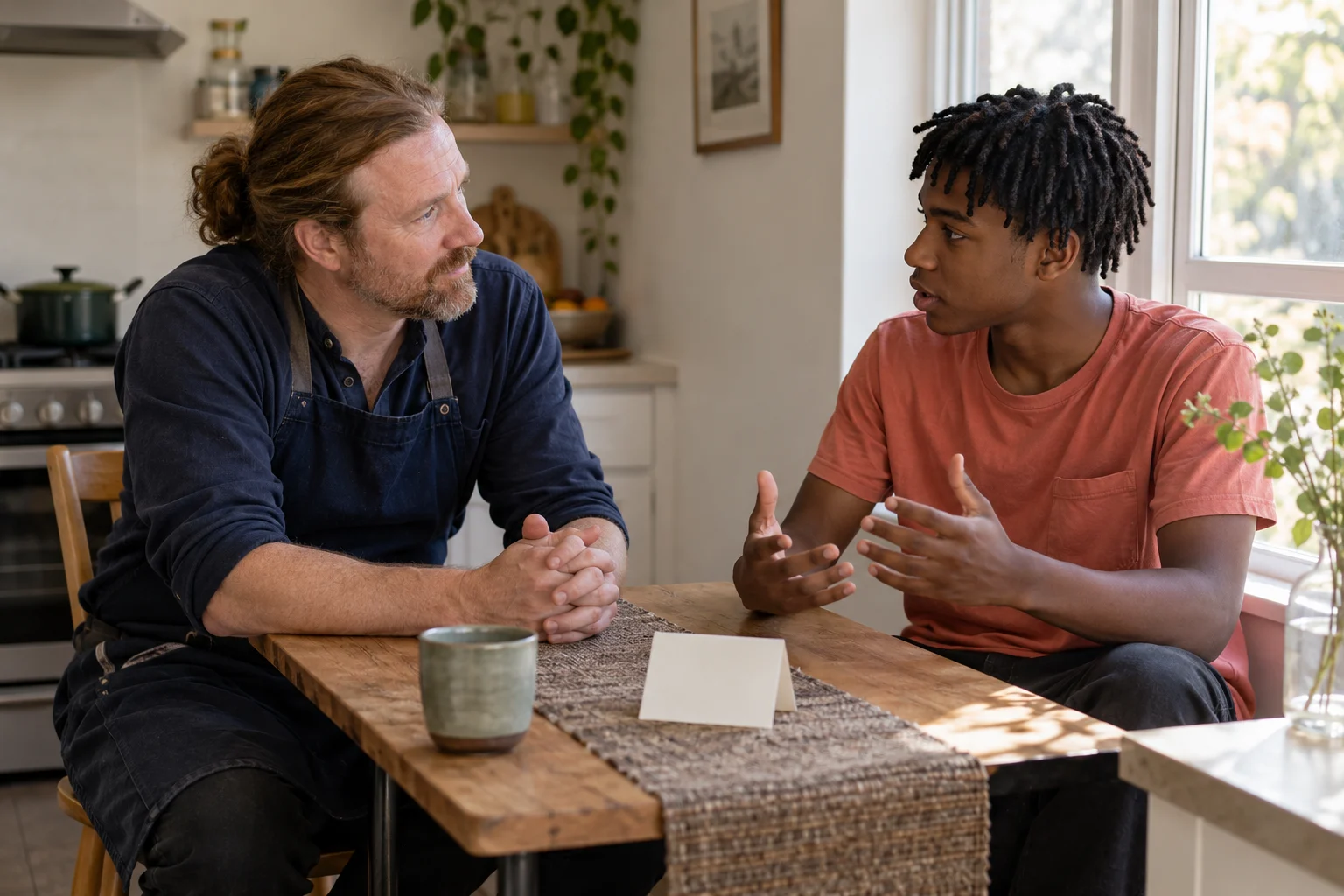
Illustrative Composite Scenario; Names And Details Changed. Leon enjoys drawing outdoor spaces and making small models. During a discussion with a friend, he begins wondering why a park’s most exciting feature is difficult to approach from the main path. He wants to sketch an improvement, but realises that he has not asked what different visitors need. This original scenario adapts the story bank’s project-reveals-interest tension. It represents no identifiable student, actual accessibility finding or measured outcome. Leon’s useful next step is to investigate who would answer the questions he has uncovered. Would he prefer observing how people describe a place, planning the connections between spaces, investigating construction or comparing practical costs? A modest project can help him form better questions about those tasks. It cannot establish that he is suited to a profession, qualified to advise visitors or ready to redesign a public site.
Access And Participation Need Different Questions
The government’s Playground Fund supplementary guidance distinguishes reaching and using a space from taking part and feeling welcome. It encourages consideration of varied forms of play and local context from the beginning. That distinction helps frame an investigation. A route might reach an activity, but what opportunities exist to join friends? A quieter area might be available, but how does it relate to the rest of the place? These are questions to explore with users and professionals, not conclusions a visitor can settle from appearance alone. The same guidance explicitly does not replace professional advice, site assessment, inspection or relevant standards. A student sketch should therefore carry its uncertainties openly. The interesting career problem is how teams turn those uncertainties into evidence and decisions, while recognising different preferences rather than inventing one universal visitor.
Landscape Architecture Connects The Parts
The National Careers Service landscape-architect profile describes work planning, designing and managing landscapes. It identifies university and apprenticeship routes, with further training and course-specific requirements to investigate. For career exploration, imagine a plan showing how an entrance, planting, paths, play opportunities and nearby seating relate. Someone must ask whether a decision that improves one part creates difficulties elsewhere. The drawing is a way to discuss those relationships, rather than the entire job. Look at a current course’s assessed work before assuming that enjoying sketching is enough to describe the learning. Ask how it combines site analysis, design development and communication. Keep a technician apprenticeship, a degree and later professional progression as distinct stages. A general careers page cannot confirm a current vacancy, admission decision or an individual’s professional status.
A Real Project Shows A Wider Team
The Landscape Institute’s King Square Gardens case study records a project completed in 2013. It names landscape architecture, structural engineering and cost consultancy in the project team, alongside consultation involving council staff and young people. The account also describes involvement from maintenance and asset managers, play fitters and park staff. It is a useful historical example of coordination, not evidence that every playground uses an identical team or contract structure. No current visitor-growth claim is drawn from it here. Read such a case study by tracing decisions rather than collecting job titles. Which specialist might need to understand a change? Who would explain its cost, construction implications or future care? The answer may involve several people. That is why a finished place can conceal a much richer range of careers than the familiar image of a designer drawing an attractive plan.
Engineering And Cost Work Test The Proposal
Consider an invented proposal to change part of a play landscape. Before anything is built, the team would need the appropriate professionals to investigate what the proposal requires. A student can recognise the question without attempting the structural calculation or specifying materials. Cost work creates another kind of challenge. Compare the expense of an initial installation with the resources needed to care for it. A cheaper purchase price does not, by itself, settle a decision about the full commitment. This is a comparison question, not a claim that one material or supplier is always better. The historical King Square team demonstrates that engineering and cost roles can sit alongside landscape architecture. For a current career enquiry, inspect an actual role profile or course and ask what evidence the person produces. Calculations, schedules, specifications and explanations involve different working habits. Notice which you would like to learn more about.
Listening Is Part Of The Work
In June 2026, City of York Council invited views on inclusive play areas, including input from disabled children, young people, parents and carers. Its questions concerned barriers, surfaces, equipment and quieter or sensory spaces. The stated survey deadline was 30 June; this is a closed historical example, not an invitation to respond now. The example shows why a design brief needs more than the assumptions of its author. Different visitors may describe the same place differently. Someone must make participation possible, record what was said accurately and explain how the information affects the proposal. For a student, listening does not mean approaching children in a park for an informal research project. Use published consultation material or an appropriately supervised activity. Never manufacture a community’s preferences to make your design story more persuasive. An unanswered question is preferable to a fictional finding.
Maintenance Is A Design Question Too
Imagine a route that works in a concept drawing but depends on care that nobody has planned. Who will check its condition, arrange repairs and explain any temporary closure? These questions bring operations into a project before the opening day. The government guidance encourages long-term planning rather than treating investment as a single equipment purchase. King Square’s documented consultation with maintenance staff offers one concrete example of bringing practical knowledge into the process. A useful learning task is to mark which features of your paper proposal depend on ongoing attention. Do not inspect equipment or declare it safe. Instead, ask what information a responsible manager would require and which decisions need a qualified person. This can reveal an interest in managing places as well as creating them. A student who likes solving practical problems over time may find that question as interesting as producing a new concept.
Follow One Decision Across The Team
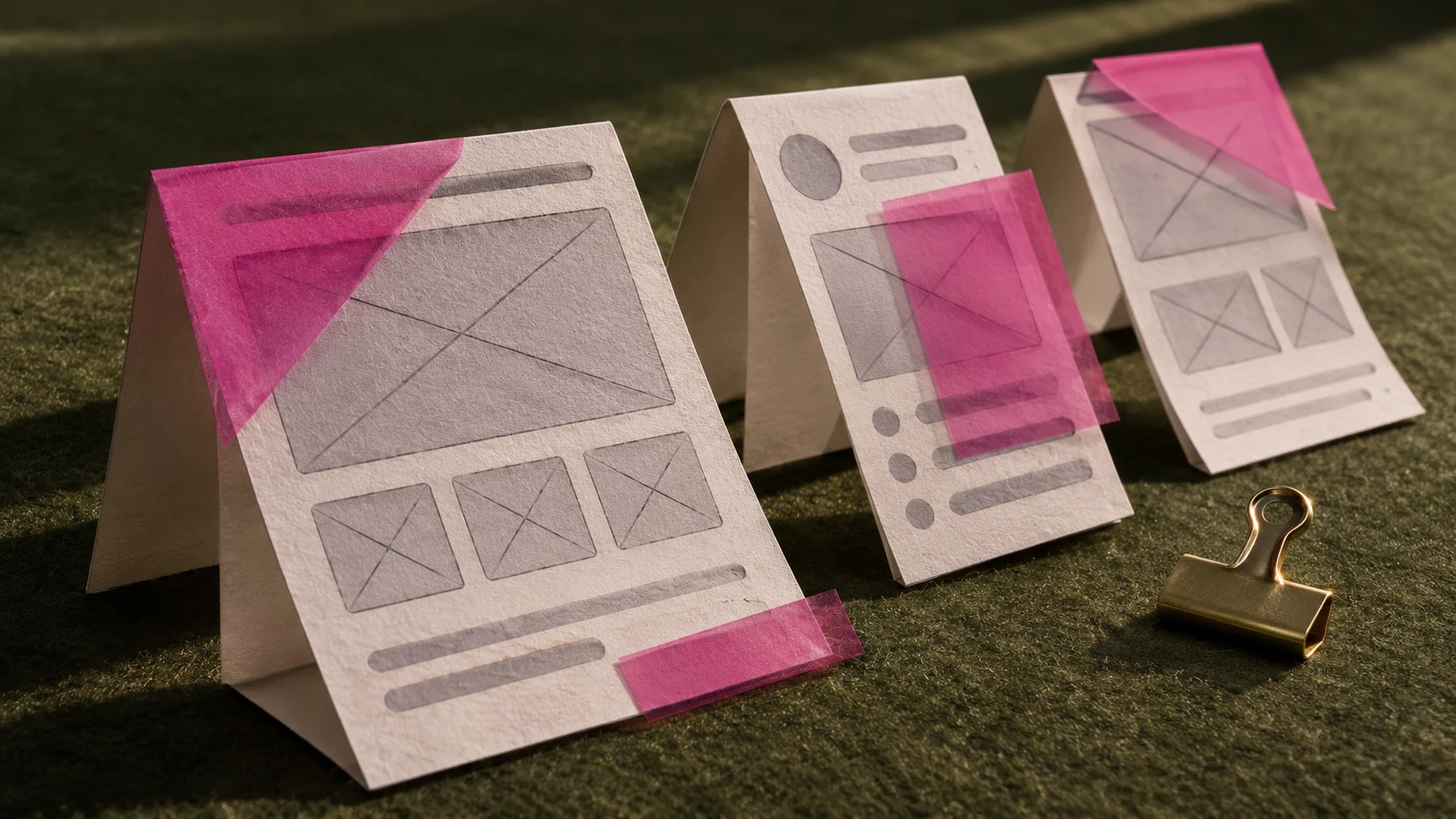
Take a fictional suggestion to place a quieter activity beside the main play area. Begin with the intended benefit: a visitor can pause while remaining near companions. Then list the questions that follow. What do potential users say? How does the location connect with routes? What construction and care would it involve? Place those questions on separate cards. Add an evidence card beneath each one and leave it blank where evidence is missing. Finally, add a decision card stating who would need to be involved before a real change. The activity demonstrates dependencies, not a prescribed professional workflow. Actual responsibilities depend on the project and its arrangements. Its value for career exploration is seeing that an appealing idea must travel through several kinds of reasoning. You may discover that the unanswered technical question interests you more than the original drawing, or that explaining conflicting priorities is the part you want to practise.
Try A Paper Playground Brief
Create a fictional site on paper rather than proposing changes to a real facility. Draw an entrance, two activity areas, a quieter space and a place for caregivers to pause. Use abstract shapes; do not present dimensions as compliant technical specifications. Write three intended experiences, such as arriving together, choosing different activities and meeting again. For each, identify a possible barrier and the evidence needed to understand it. Include different needs as questions without claiming to speak for every disabled person. Prepare a second version that changes one relationship between spaces. Explain the trade-off instead of scoring the design as universally better. Keep both versions and a short note describing why you revised the plan. This original exercise is not a validated accessibility audit, safety assessment or professional portfolio requirement. It produces something discussable: a visible chain from purpose to question, evidence and revision. No use by actual children, user testing or improvement result is claimed.
Compare The Work You Actually Enjoyed
After the exercise, separate five tasks: framing the problem, arranging the plan, investigating technical constraints, considering resources and explaining the proposal. Record which held your attention and where you needed help. A parent or friend can ask for the reason behind one decision and one limitation. They should not turn a short task into a verdict about a degree. If you enjoyed the research but disliked drawing, that is a useful question about related roles. If you loved modelling but avoided checking assumptions, that identifies something to practise. The Maths Hidden In A Sports Performance Report offers another way to investigate less visible work through a modest task. How A Museum Object Reaches Its Display Case similarly follows contributions behind a familiar public experience. Compare the processes rather than treating every interesting activity as a career commitment. Save the official page with its date and distinguish a general route from a currently open opportunity. That small habit keeps the exploration grounded when course structures or apprenticeship availability change.
Questions Readers Often Ask
Do I have to be an architect to contribute? The documented project includes several specialist and operational roles. Investigate the particular work that attracts you and its actual preparation route. Do not assume all contributors share one qualification. Does accessible mean the same design works for everyone? The sources encourage attention to varied users and opportunities. A responsible proposal records differences and unresolved questions rather than claiming universal suitability. Can I publish my paper model? Label it clearly as a fictional learning exercise, explain your contribution and avoid reproducing other people’s work without permission. Your Digital Footprint Before An Application provides a practical sharing check. What should I do next? Select one task from the exercise, open a current official career or course page and ask how people learn to do that work responsibly. Keep the question precise enough to answer. A playground can begin as a place you recognise and become a window onto work you had never thought to investigate.
Sources And Further Checks
Primary sources checked on 25-10-2026. Course and policy details can change; check the current official information before acting.
GOV.UK: Playground Design Guidance National Careers Service: Landscape Architect Landscape Institute: King Square Gardens City Of York: Closed 2026 Play ConsultationAI-assisted production. How We Produce Stories · Report A Correction