
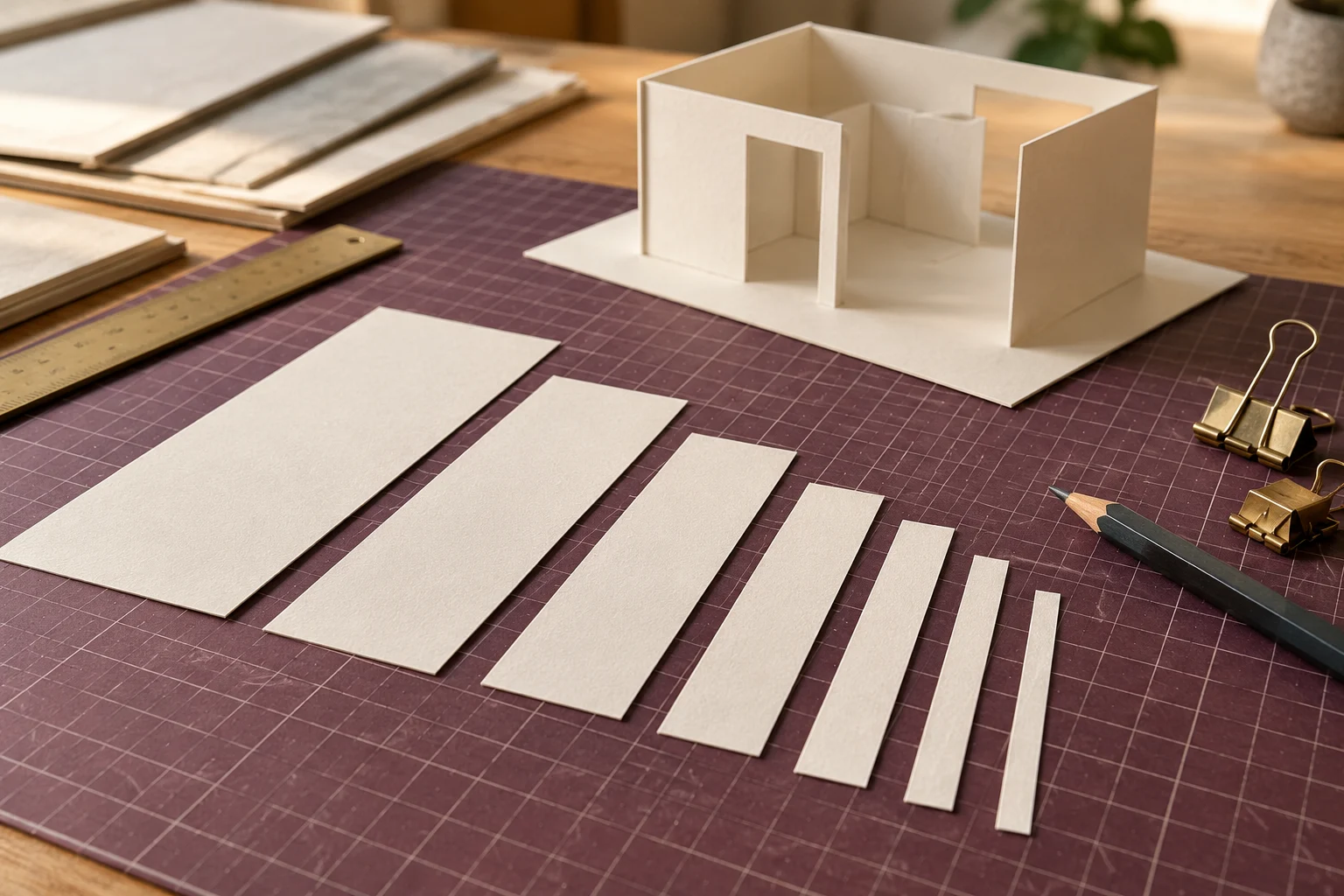
Choose an EPQ question by matching one clear problem to accessible evidence, a manageable method and your centre’s requirements. Test the scope with a short feasibility plan and your supervisor. Keep room for a conclusion that differs from your starting assumption.
A Big Interest Needs A Workable Boundary
Illustrative Composite Scenario; Names And Details Changed. Mina enjoys reading about how cities change. Her first project idea covers transport, housing, climate and public space across the world. Every new source adds another subject. She has enthusiasm, but cannot explain what evidence would answer the question or where the project would stop. This original scenario adapts the story bank’s project-reveals-interest dilemma. It represents no actual student, interview or assessed outcome. Mina’s next step is to choose one relationship she can investigate properly. A smaller question can still support substantial reasoning. The aim is not to make the title sound modest for its own sake. It is to connect a genuine interest with accessible evidence, a manageable method and a conclusion that remains open until the work is done.
Check Your Qualification Before Copying A Formula
AQA’s EPQ overview describes student-led planning and research extending beyond material covered by other qualifications. OCR’s specification overview describes planning, analysis, development, evaluation and presentation, supported by portfolio evidence. These are examples from two awarding organisations, not permission to mix their requirements. Confirm your own board, current specification, centre timetable, permitted format and supervisor’s process. Ask how the proposed topic extends your existing study rather than repeating assessed work. Keep a separate page for formal requirements and another for your developing idea. An attractive online template cannot approve a title or establish what your centre will accept. This guide offers a planning exercise; it does not replace supervision or predict a grade.
Move From Topic To An Answerable Question
A topic names an area of interest. A question identifies something you want to find out. A project plan explains how you will investigate it. Write those three lines separately before refining the wording. For an invented public-space example, urban change is the topic. Comparing how two published design proposals explain access could become a question to discuss. The plan might examine a limited set of documents using clearly defined comparison criteria. No findings about those proposals are implied here. Try adding boundaries for place, period, material and meaning. Which documents? Published when? What do you mean by access? What would count as evidence for a comparison? If you cannot answer those questions without introducing several additional projects, narrow the scope again. Keep the broad interest as motivation rather than trying to fit all of it into the title.
Test The Evidence Before Committing
Locate a small selection of credible sources before treating the wording as settled. The purpose is to check whether suitable material exists and whether you can understand it well enough to use it responsibly. Record the author or organisation, publication date, source type, relevant claim and limitation. Distinguish original material from commentary about it. A useful source may disagree with your starting assumption or reveal that your question uses an undefined term. Do not count search results as evidence merely because they share keywords. Read enough to identify what each source actually supports. If important material is inaccessible, note the gap and discuss a feasible alternative with your supervisor. How To Check A Viral Career Claim In Ten Minutes offers a related source-tracing habit, although an EPQ requires deeper work than a quick check.
Choose A Method You Can Explain
Ask what action would turn your evidence into an answer. Comparing documents, evaluating published arguments and developing an artefact involve different methods. The final product should follow the question and approved project requirements rather than being chosen only because it looks impressive. For a document comparison, explain why the selected documents belong together and what you will examine consistently. For a practical outcome, explain what the intended purpose is, which constraints apply and how you could assess it appropriately. These are planning questions, not prescribed assessment rules. Avoid promising an experiment or survey before checking feasibility, permissions and supervision. A spreadsheet does not make a sample representative, and a model does not prove that a real-world intervention works. Keep the method proportionate to what the project can support.
Leave Room For A Different Conclusion
A research question should not simply ask you to collect support for a decision already made. Write down what evidence might change your view. If nothing could, examine whether you have framed an investigation or a promotional argument. For the fictional design comparison, one proposal might explain its reasoning more clearly while leaving another important issue unresolved. That possibility is more useful than deciding in advance which design wins. A mixed conclusion can be legitimate when it follows the evidence and makes its limits clear. Separate a judgement about the available documents from a judgement about an entire place, policy or community. Your conclusion cannot travel beyond its evidence merely because the wider topic matters. State what the project answers and which larger questions remain open for someone else to investigate.
Keep Ethics And Safety In The First Draft
AQA’s safeguarding guidance emphasises appropriate topic choice, supervision and risk consideration, including the suitability of proposed primary research. Its requirements belong within the centre’s safeguarding process. Discuss potentially sensitive topics and activities before beginning them. Do not recruit participants, gather personal information or expose yourself to distressing material simply to make a project appear original. Publicly available evidence may offer a more appropriate route, subject to the supervisor’s agreement. A narrow question can still create ethical problems, so scope alone is not approval. Equally, collecting new data is not automatically more valuable than analysing existing evidence carefully. Record which permissions or checks are needed, who is responsible and what you will do if the proposed method cannot proceed.
Use A Scope Ladder
Write your broad topic on the first rung. On the second, name one relationship or comparison. On the third, specify the evidence and boundaries. On the fourth, write a provisional question that matches them. This is an original editorial exercise, not a validated assessment tool. Give each rung a short explanation. If narrowing removes the part that interested you, try another branch rather than forcing yourself into an arbitrary title. If the third rung still contains several different evidence collections, simplify it. Keep the rejected versions and explain why they changed. OCR’s overview includes ongoing review within the project evidence; follow your own board and centre’s recording requirements. Honest notes about a changed plan are more useful than retrospectively pretending the final question existed from the beginning.
Plan A Small Feasibility Week
Arrange a short planning period within your centre’s timetable. First, read the relevant requirements and discuss one provisional question. Next, locate and read a few suitable sources. Then produce a paragraph explaining the intended method, evidence limits and likely practical obstacles. Finish by deciding whether to retain, narrow or replace the question with your supervisor. The number of sources and the period suggested here are planning choices, not official minimums. Do not confuse this initial check with the full research project. How A Museum Object Reaches Its Display Case provides a published example of turning a broad interest into questions about a specific process. Use it to practise noticing dependencies, not to copy a project title.
Questions Students And Parents Ask
Does a small question mean a simple answer? It can require careful comparison and evaluation. Size refers to scope, not to how little thinking you will do. Must the topic match a university course? Discuss your motivation and centre requirements. This guide makes no admissions claim or promise that a particular topic earns an offer. Can a parent choose the title? They can ask clarifying questions and help with practical access, while the student retains the thinking and follows supervision rules. A Quiet Child Does Not Need A Loud Career Plan offers a related approach to supporting exploration. Your next step is one provisional question with an evidence note and a clear boundary. Bring that to your supervisor before collecting more material. The useful achievement is knowing what you are investigating, how you could investigate it and what you are deliberately leaving outside the project.
Sources And Further Checks
Primary sources checked on 25-10-2026. Course and policy details can change; check the current official information before acting.
AQA: EPQ Overview OCR: H857 Specification Overview AQA: EPQ SafeguardingAI-assisted production. How We Produce Stories · Report A Correction